Root Canal Treatment: Procedure & Price List In Australia
Reviewed June 2024 by Our Content Experts
What Is A Root Canal?
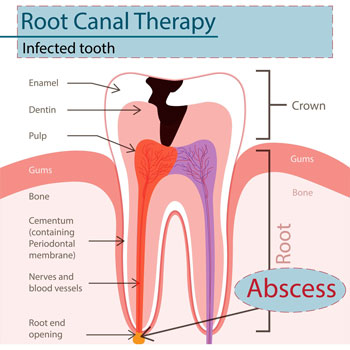
A root canal is an endodontic treatment used to save a tooth with an infected or dead pulp and prevent the infection from spreading. A root canal saves the affected tooth by cleaning out the diseased pulp and reshaping the canal.
Pulp exists inside each tooth, providing the tooth with nerves and nutrients. The pulp tissue can sometimes die if it is damaged or diseased. Once the nerve and pulp is removed, the root canal is cleaned and sealed for protection. A dental crown is then placed over the tooth to increase its strength.
In the past, teeth with damaged pulps were removed. Today, root canal treatment has provided dentists with a safe solution for saving the tooth and maintaining your natural smile.
Root Canal
How Much Does A Root Canal Cost?
The cost of root canal therapy will depend on several factors, including how many canals need to be filled and if you require a crown. Based on data from the Australian Dental Association, the average cost of a root canal without a crown in Australia ranges between $2,000 and $3,400. In Australia, a molar root canal with three canals can cost up to $2,760 without a crown and up to $4,760 with a crown. With Smile dental cover, you get reduced and capped fees on root canal treatments!
Select your state in the cost comparison table below for more detailed examples of the cost of a root canal in your location.

Top-rated dental cover in Australia!


Why Get A Root Canal?
It's quite common to ask, "Is it necessary to get endodontic treatment?" Or, "What would happen if you leave a root canal untreated?" Your tooth cannot heal by itself. If left untreated, the infection could lead to:
- An abscess forming at the root of the tooth
- Deterioration of the underlying bone tissue
- Severe pain
- Delaying treatment for too long can make it impossible for your dentist to save your tooth
The infection can also spread to neighbouring teeth, potentially leading to:
- Illness
- Blood poisoning
- Fevers
- Swelling of the face and neck
What Happens During A Root Canal?
A root canal is usually a simple procedure with little or no discomfort. It involves one to three visits to a dentist.
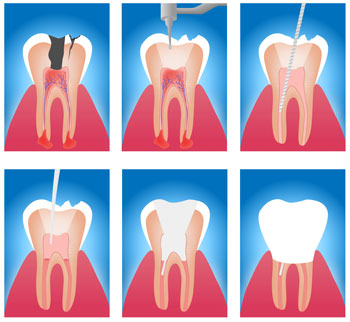
Here is a step-by-step guide to how the procedure saves your tooth:
- Your dentist makes an opening through the top of the tooth down to the pulp chamber.
- The injured or dead pulp is taken out and the root canals are irrigated and medicated.
- A temporary filling is placed in the opening at the top of the tooth in order to protect it between procedures. Alternatively, the tooth may be left open to drain for a couple of days.
- The temporary filling gets removed and the pulp chamber and root canal(s) are cleaned then filled.
- A crown is placed over the tooth. The endodontist performing the treatment will advise you to see your dentist to complete this last step.
- Most patients report that having a root canal treatment today is as unremarkable as getting a filling.
Root Canal Procedure
Where Can I Get A Root Canal?
It’s important to visit a dentist that provides a high-quality and reliable solution for your dental treatment. Poorly trained dentists may miss a canal that is causing you problems or a crack in the root of your tooth. This leaves you exposed to the reintroduction of bacteria in that area and can result in the need for a repeated root canal. By visiting a Smile dentist, you are assured quality care and reduced and capped fees on root canal therapy by joining Smile. With 4,000+ Smile dentists across Australia, there’s sure to be one near you..
Frequently Asked Questions?
- Does Insurance Cover The Cost Of A Root Canal?
- Do I Need An Endodontist For My Root Canal Treatment?
- How Do I Know If I Need A Root Canal?
- How Long Does It Take To Get A Root Canal?
- How Long Does It Take To Recover From A Root Canal?
- Is Getting A Root Canal Painful?
- Does Root Canal Treatment Work?
- What Are The Symptoms Of A Failed Root Canal?
- What Happens If You Leave A Root Canal Untreated?
- Is It Necessary To Get A Root Canal?
- Are You Put To Sleep For A Root Canal?
- What Are The Benefits Of A Root Canal?
- What Are The Potential Side Effects Of A Root Canal?
- What Are The Potential Risks Of A Root Canal?
- Are There Any Alternatives To A Root Canal?
- Can I Take Ibuprofen Before A Root Canal?
- Can I Eat After A Root Canal?
- What Can I Eat After A Root Canal?
- Can I Drink Coffee After A Root Canal?
- Do I Need To Take Antibiotics After A Root Canal?
- Can I Drive After A Root Canal? ?
- Can I Brush My Teeth After A Root Canal?
Does Insurance Cover The Cost Of A Root Canal?
Generally, health insurance extras in Australia do not cover root canal therapy. To have root canal therapy covered, you will need to have a high level of extras cover. Most extras cover policies include general dental treatments like dental check-ups, but do not include major dental procedures, like root canal treatments. With Smile cover, you get reduced & capped fees on root canal treatments at any of our 4,000+ Smile dentists, no matter if you are covered or not with your extras policy.
Do I Need An Endodontist For My Root Canal Treatment?
Endodontistry is a specialisation in root canal treatment; however, all dentists are capable of performing this treatment. Any Smile dentist can assist you with root canal, and only patients with rare and special circumstances are referred to a specialist.
How Do I Know If I Need A Root Canal?
If you need a root canal treatment, you will probably experience the symptoms of pulp tissue damage. Individuals may experience symptoms differently, but these are the most common symptoms of an injured or damaged pulp:
- Pain when biting down and chewing
- Oversensitivity of teeth with hot or cold food or beverages
- Facial swelling
These symptoms can also be a sign of other oral health issues, so they may not always indicate that you require root canal treatment. It is recommended that you consult a Smile dentist if you are experiencing pain or discomfort.
How Long Does It Take To Get A Root Canal?
Root canals usually involve 1-3 visits to the dentist, and the process usually takes 30-90 minutes. The procedure typically takes longer than a standard filling.
How Long Does It Take To Recover From A Root Canal?
The recovery period after root canal treatment is minimal, and you should be feeling completely back to normal after just a few days. Slight inflammation is normal and may cause discomfort for a couple of days or so. This can be treated with an over-the-counter painkiller, as well as a warm saltwater rinse.
Is Getting A Root Canal Painful?
The root canal treatment eliminates the pain caused by the tooth infection. A local anaesthetic numbs the tooth and surrounding area, making the procedure painless.
Does Root Canal Treatment Work?
Many patients want to know what is the success rate of a root canal. Root canals generally have a success rate ranging from 85% to over 95%. Root canal therapy generally fails because of the presence of bacteria. There are five common reasons why root canal treatment fails, but luckily, they are preventable. Root canals often fail due to:
- Missed canals
- Unfinished treatment of canals
- Leftover tissue
- Fracture
- Bacterial leakage after treatment
The best way to prevent root canal failure is to visit an experienced dentist that has the proper equipment and training. Smile has 4,000+ Smile dentists that are quality assured, many of whom may be able to perform more complex or specialised endodontic treatments.
What Are The Symptoms Of A Failed Root Canal?
There are several indications of a root canal treatment, including:
- Severe lingering tooth pain that worsens with additional pressure on the tooth
- Unfinished treatment of canals
- Facial swelling or swelling surrounding the affected area
- Small bumps on the gum
- Darkening of the tooth
- Discharge from the area surrounding the affected tooth
What Happens If You Leave A Root Canal Untreated?
Root canal therapy stops the infection from spreading and alleviates the pain caused by the infected tooth pulp. If left untreated, bacteria from the infection can travel via the roots of the tooth directly to the tissues surrounding the area - typically the gums and jaw. This can result in a painful abscess to occur. In rare cases, inflammation of the whole body can occur, which increases the risk of dangerous conditions like heart disease or a brain abscess. If you leave a root canal untreated, you can also lose the tooth. Losing a tooth can lead to an increased risk of other problems, such as gum disease, further tooth loss, and decay. If left untreated, the natural tooth continues to tooth decay and will only deteriorate further.
Is It Necessary To Get A Root Canal?
An untreated infection in your tooth is a ticking time bomb. The infection can spread from the roots of the tooth to vulnerable tissues in the body. To combat this, your Smile dentist may prescribe antibiotics. It is necessary to get a root canal to stop the infection from worsening and prevent tooth loss.
After root canal therapy, it is also necessary to ensure the tooth is filled and sealed. This protects the tooth after the dead tissue has been removed. After treatment, the tooth will be brittle and more prone to fracturing, so a crown is necessary to preserve the structural integrity of the tooth.
Are You Put To Sleep For A Root Canal?
There are several sedation methods available for patients having root canal therapy, including nitrous oxide (happy gas), oral conscious sedation, or IV sedation. Very rarely will a patient be put to sleep via general anaesthetic.
What Are The Benefits Of A Root Canal?
Root canal treatment is a simple and painless procedure that offers many benefits, including:
- Relief of pain and discomfort
- Prevention of spread of infection
- A healthy restored tooth that can last a lifetime
- No interruption or changes to other teeth
- Normal biting and chewing sensation
- You get to keep your natural smile!
What Are The Potential Side Effects Of A Root Canal?
Returned infection is a possible, although uncommon side effect of root canal treatment. This can be the result of incorrectly cleaned root canals or an undetected crack in the root of a tooth. Returned infection can be aided with a simple retreatment. If you're concerned about the side effects of root canal treatment, you should seek advice from your Smile dentist.
What Are The Potential Risks Of A Root Canal?
On average, over 95% of root canal treatments are completed successfully. Occasionally, a case may require a repeated treatment if there are diseased canal offshoots that have initially gone undetected, or if the canal filing instrument fractures, but this is very rare. Returning pain is a symptom of a root canal that has not been completed correctly. If you're concerned about the risks of root canal treatment you should seek advice from your Smile dentist.
Are There Any Alternatives To A Root Canal?
The only alternative is to have the tooth extracted. Unfortunately, this can affect the surrounding teeth, often causing them to move and leaving you with a bad bite. Although having your tooth pulled out may cost less initially, the space left will likely require a dental implant or dental bridge to be fitted, which can ultimately be more expensive than root canal treatment. If you have the choice, keeping your original teeth is always the best option.
Can I Take Ibuprofen Before A Root Canal?
Ibuprofen and other anti-inflammatory medicines may help to reduce inflammation when taken pre-operatively. Seek advice from your Smile dentist and follow the recommended dosage.
Can I Eat After A Root Canal?
After your root canal treatment it's best to wait until the numbness in your mouth wears off before eating to avoid biting your cheek or tongue. To avoid damaging the treated tooth, try not to chew or bite down on the treated tooth until it is fully restored by your Smile dentist.
What Can I Eat After A Root Canal?
It's always best to seek advice from your Smile dentist, but soft, cold foods are generally recommended. Soft, cold foods include fruits like bananas, mangos, pears, peaches and fruit smoothies, yoghurt, soup and eggs.
Unless your dentist advises otherwise, it's generally best to stay away from hard, crunchy, or chewy foods as this may damage your treated tooth or cause pain. Spicy or hot food may increase sensitivity in the treated tooth, and consuming alcohol may cause bleeding in the surrounding area. Eating on the opposite side of the area treated may also help to avoid discomfort.
Can I Drink Coffee After A Root Canal?
Drinking hot coffee immediately after a root canal treatment may increase sensitivity and cause discomfort in the treated tooth, so it's best to avoid hot coffee until the numbness in your mouth wears off. If you drink fluids immediately after your treatment it's best to avoid hot coffee at least until the feeling in your mouth has returned.
Do I Need To Take Antibiotics After A Root Canal?
After a root canal treatment, the anaesthetic will wear off and you may experience a throbbing pain, which may last a day or two. Antibiotics and other pain medicines like ibuprofen can assist. Antibiotics can also help to suppress the painful symptoms of nerve damage. Your dentist can recommend an antibiotic to assist you after your root canal treatment.
Can I Drive After A Root Canal?
If you have not had trouble driving in the past after seeing the dentist for a filling, then there is no reason you should have a problem driving after a root canal procedure. Most likely you will be numb for an hour or two after your appointment just like most filling procedures.
Can I Brush My Teeth After A Root Canal?
You may brush and floss the treated tooth gently but should not floss if a temporary filling was placed in the space between teeth.

Join Now & Save Instantly!
For the top-rated dental cover in Australia, join Smile from just $79 a year and choose a Smile dentist. Join online in 2 minutes by clicking Join Now & Benefit Instantly.
Back to Top